

Macroinvertebrate ID Resources
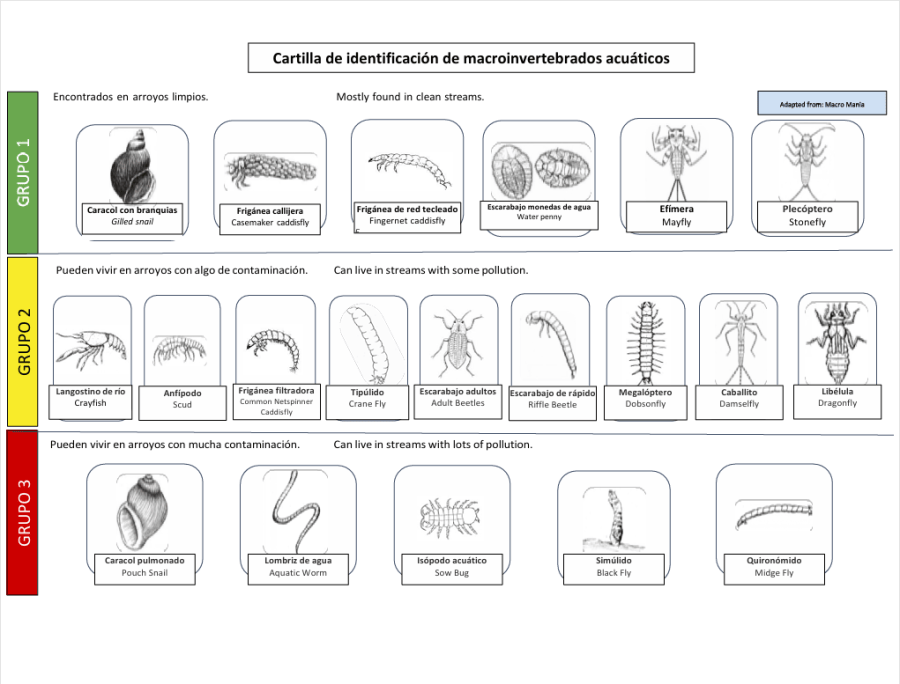
The Virginia Save Our Streams biological monitoring method involves collecting and identifying aquatic macroinvertebrates, or stream insects and crustaceans. Different macroinvertebrates have different tolerances to pollution, so identifying the types of insects and crustaceans living under the water can determine water quality.
Most macroinvertebrate identification guides will ask you to look for distinguishing characteristics of the insect or crustacean. For example, how many legs does it have? Does it have antennae? Does it have gills on the abdomen? Many macroinvertebrates share a few characteristics, so it is important to identify multiple features that solidify your identification.
Remember, the validity and usability of VA SOS data relies on accurate identifications!
Identification Keys


Videos

Field Guides
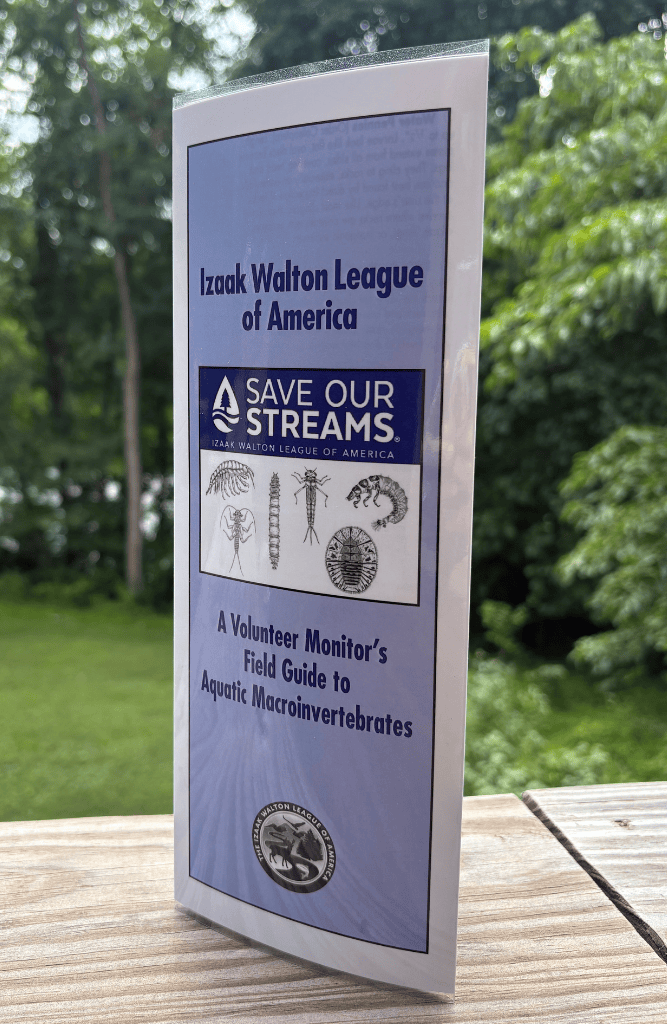
Field Guide to Aquatic Macroinvertebrates
This handy reference tool is designed to help volunteer monitors identify aquatic macroinvertebrates when conducting water quality surveys. The laminated brochure is convenient and durable for outdoor use. The diagrams of the macroinvertebrate larvae and adults are grouped by biological type and display common features that characterize each animal. Free for VA SOS trainers; one copy free per certified monitor by request.
Purchase on League Store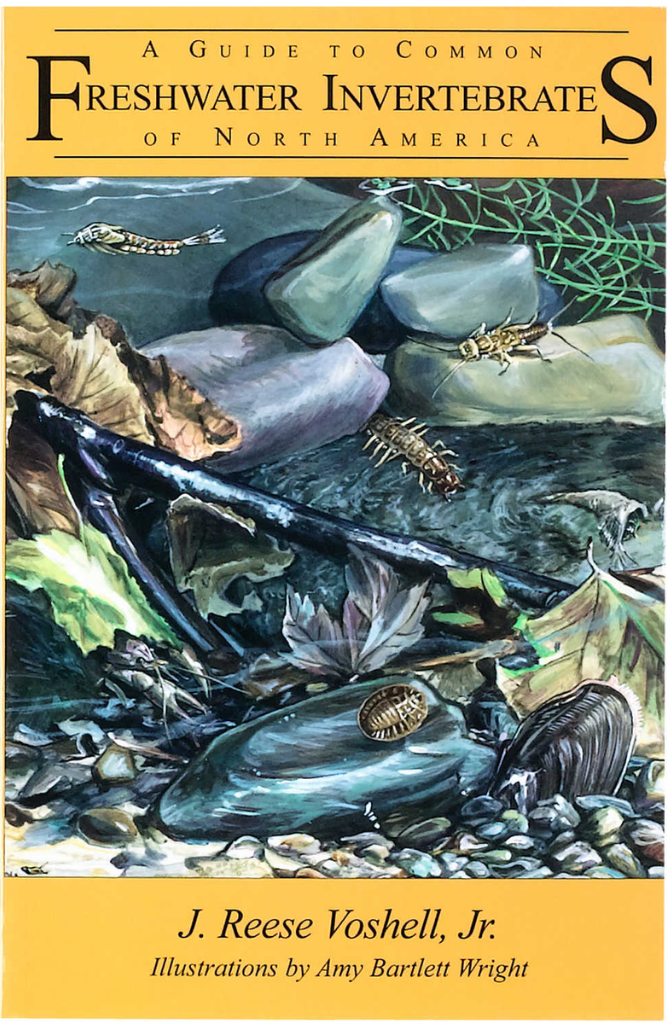
A Guide to Common Freshwater Invertebrates of North America
This comprehensive field guide provides extensive background on the biology and ecology of freshwater environments and the invertebrates that thrive in them. Color plates and other identification information are provided for nearly 100 of the most common groups of invertebrates. The book also includes expanded descriptions of the life histories, behavior, and ecology of each invertebrate group.
Purchase on Amazon
Guide to Aquatic Insects & Crustaceans
This 64-page fully illustrated guide is designed to enable anyone to identify aquatic insects and crustaceans. It includes a dichotomous key, detailed description of each organism, and tips for proper identification. A handy resource for anglers, students, biologists, or anyone else spending time near rivers and streams.
Available as an E-Book on Amazon
Unknown Specimens


Other Online Resources
